Your reputation is one of your most valuable assets. Whether you’re running a small business, climbing the corporate ladder, or establishing yourself as a thought leader, how people perceive you can significantly impact your success. Personal reputation management is particularly crucial for individuals in the UK, where trust and credibility are highly valued.
Fortunately, there are experts like SanMo UK, known as “the best reputation management company in the UK,” specialising in helping individuals craft and maintain the image they want to project. But what exactly is personal reputation management, and why is it so vital?
This blog will explore the importance of personal reputation management, offer actionable steps to enhance your public image, and explain how a service like SanMo UK can help you protect your reputation against potential risks.
What Is Personal Reputation Management?
At its core, personal reputation management is the practice of monitoring, improving, and protecting your online and offline image. It ensures that any information about you—whether this is user-generated content, news articles, or even social media comments—aligns with how you want to be seen.
With the internet serving as the first point of contact for many professional interactions, your online reputation has never been more critical. A quick Google search can often determine whether a potential client, employer, or partner wants to work with you.
Why Your Reputation Matters in the UK
For professionals in the UK, reputation carries a unique weight. The business culture emphasises trust, reliability, and credibility, and a tarnished public image could hurt your career or business. A positive reputation builds stronger relationships, inspires trust, and opens doors to new opportunities. Conversely, a single bad review, negative news article, or viral social media controversy could take years to repair.
This is where the importance of personal reputation management services like those offered at SanMo UK—The Best Reputation Management Company in the UK—comes into play.
Benefits of Managing Your Personal Reputation
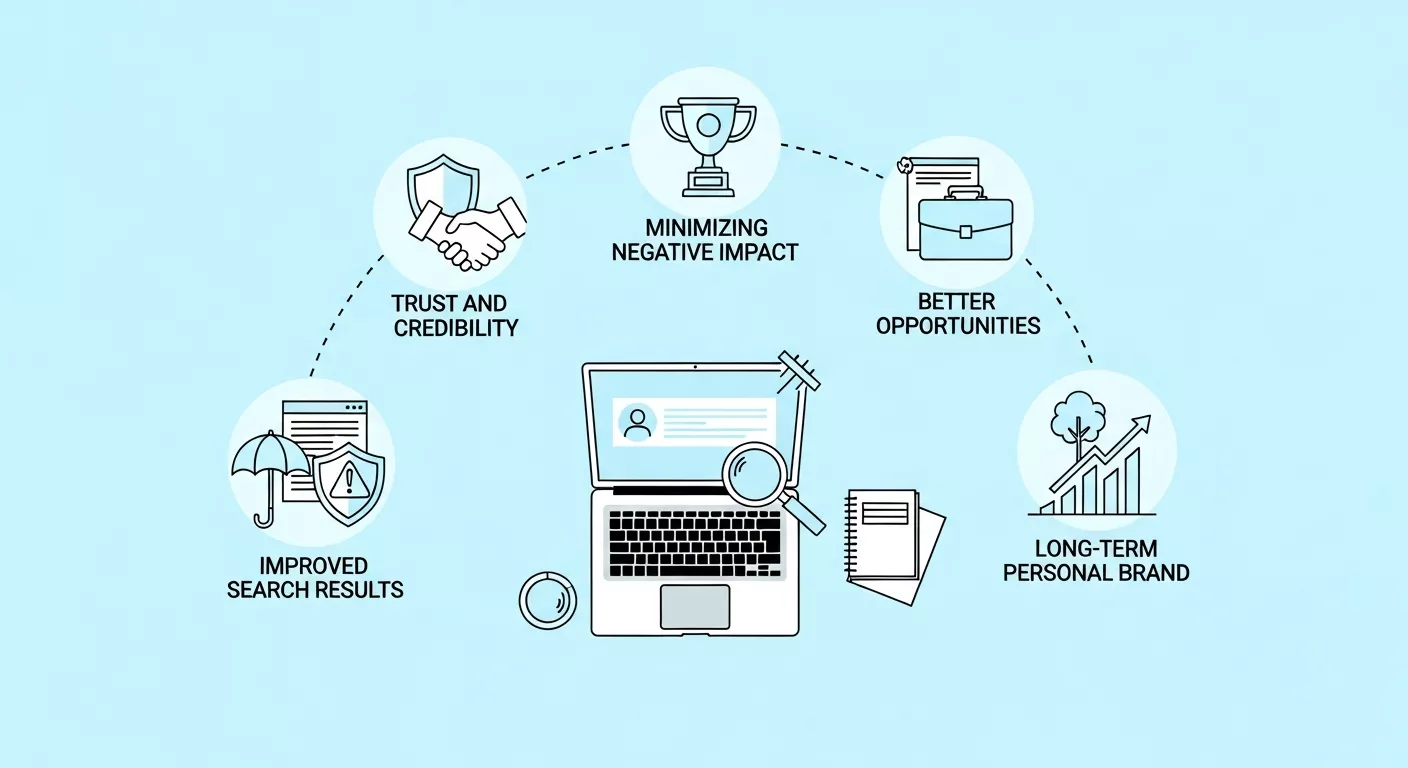
Investing time and resources into managing your personal reputation can yield enormous dividends. A well-maintained reputation not only strengthens your professional and personal credibility but also serves as a strategic asset that can influence every aspect of your career or business. Below are some key benefits you can expect when you actively prioritise your public image:
1. Build Trust and Credibility
Trust is the foundation of all successful relationships—be it professional or personal. When your audience sees consistent, positive, and accurate information about you online, they are more likely to view you as reliable and competent.
- A strong reputation encourages potential clients or employers to feel confident in their decisions to engage with you.
- Thoughtful management of your online presence—through professional profiles, published articles, and endorsements—reinforces your credibility.
- Over time, consistent positive signals can make you a recognised authority in your field, making it easier to form meaningful professional connections.
For example, a business professional with well-curated LinkedIn recommendations and positive media mentions will naturally inspire more trust than someone with inconsistent or outdated information online.
2. Attract Better Opportunities
A polished and managed reputation opens doors to new career and business opportunities. Recruiters, potential clients, or business partners often perform a quick online search before making decisions. Your digital footprint is often their first impression of you.
- A strong reputation sets you apart from competitors and positions you as the preferred choice for promotions, contracts, or collaborations.
- Positive visibility in your industry, such as guest articles, interviews, or public speaking engagements, enhances your appeal and demonstrates expertise.
- By actively managing your personal reputation, you can strategically highlight achievements, skills, and contributions that align with the opportunities you want to attract.
For instance, entrepreneurs with favourable online coverage and positive reviews are more likely to secure partnerships or investment opportunities than those with unmanaged or negative content online.
3. Minimise Negative Impact
Even small missteps can escalate quickly in today’s fast-moving media landscape. Negative feedback, outdated content, or inaccurate information can undermine credibility if left unaddressed. Personal reputation management helps mitigate these risks.
- By monitoring your online presence, you can identify potentially damaging content early and respond appropriately.
- Proactively addressing criticisms or errors demonstrates accountability and professionalism, which can prevent issues from spiralling.
- A managed reputation acts as a buffer, so minor setbacks don’t cause lasting harm to your career or business prospects.
For example, if a negative comment appears about a past project, a professional response coupled with positive achievements can neutralise the impact and maintain your credibility.
4. Improve Search Engine Results
One of the most tangible benefits of reputation management is controlling how you appear in search engine results. Negative or outdated search results can create false impressions, potentially derailing opportunities.
- Techniques like content creation, search engine optimisation (SEO), and public relations can push undesirable content lower in search results.
- Publishing positive, high-quality content—such as blogs, articles, or interviews—ensures that the first impression people get online is favourable.
- By strategically managing your search presence, you make it easier for potential clients, employers, or collaborators to find accurate, professional, and impressive information about you.
For instance, a professional who regularly publishes expert content and maintains active social media profiles is more likely to see positive results dominate Google searches for their name, rather than outdated or negative posts.
5. Strengthen Long-Term Personal Brand
Beyond immediate opportunities and damage control, personal reputation management contributes to long-term brand building.
- A strong reputation creates a consistent image that people remember, enhancing your influence in your industry.
- It provides a foundation for thought leadership, public speaking engagements, and other high-profile opportunities.
- Maintaining a solid reputation also fosters loyalty and support from colleagues, clients, and your professional network.
Investing in your reputation today is like creating a protective and growth-oriented shield that will serve you throughout your career or business journey.
How to Manage Personal Reputation in the UK Effectively
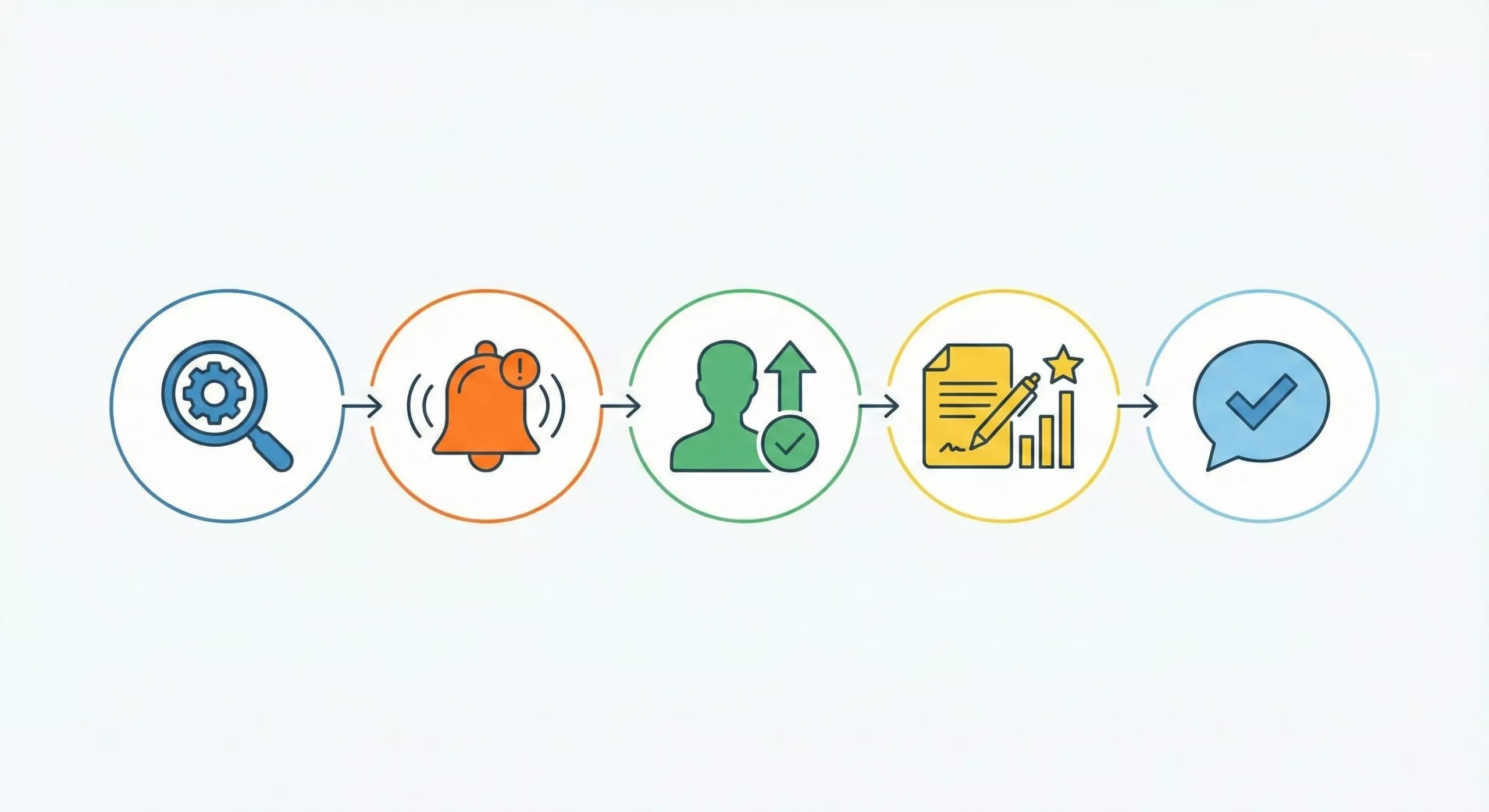
Taking control of your personal image requires a proactive, strategic, and consistent approach. A strong personal reputation in the UK can open doors to new career opportunities, foster business relationships, and establish you as a trusted professional in your field. Here’s a detailed step-by-step guide to help you take charge of your reputation effectively:
1. Audit Your Current Reputation
The first step in managing your reputation is understanding how you currently appear to the public. Conduct a thorough audit of your online presence:
- Search your name on Google and other search engines. Examine the first two pages of results, as most people rarely scroll beyond that.
- Check for negative reviews, outdated bios, unprofessional photos, or social media posts that don’t reflect your current image.
- Assess mentions of your name on industry-specific websites, news articles, forums, and professional directories.
Once you’ve identified potential issues, create a prioritised action list. Address high-visibility concerns first—these are the elements most likely to influence how new contacts perceive you. Regular audits, conducted quarterly or semi-annually, help maintain control over your online presence.
2. Monitor Online Mentions
Reputation management isn’t a one-time task; it requires ongoing vigilance. Monitoring online mentions allows you to stay informed about conversations involving your name or brand:
- Set up Google Alerts or use tools like Reputology and Mention to receive notifications whenever your name appears online.
- Track social media platforms for mentions, comments, and tags that could impact your reputation.
- Evaluate the sentiment of mentions to distinguish between neutral, positive, and potentially damaging content.
Proactive monitoring helps you respond quickly to negative content, correct misinformation, and reinforce positive messaging before issues escalate.
3. Optimise Social Media Profiles
Your social media profiles are often the first impression people have of you, especially in professional contexts. Optimising them ensures they reflect your personal brand accurately:
- Update your profiles with professional photos, clear bios, and consistent branding across platforms.
- Remove or archive any posts or content that may be inappropriate, outdated, or irrelevant.
- Share insights, achievements, and industry knowledge regularly to demonstrate expertise and build credibility.
- Engage with your audience by responding to comments, answering questions, and joining relevant discussions professionally.
Well-maintained social media profiles convey professionalism, reliability, and thought leadership, reinforcing your overall reputation.
4. Push Positive Content
One of the most effective ways to enhance your reputation is by proactively creating and sharing positive content:
- Write blog articles, LinkedIn posts, or guest contributions to reputable industry websites that showcase your expertise.
- Participate in media interviews, podcasts, or webinars to increase visibility and establish authority.
- Share testimonials, case studies, or successful project highlights that demonstrate your value.
Consistently publishing valuable content not only positions you as an expert but also helps push negative or outdated search results lower in search engines, ensuring a favourable first impression for anyone searching your name.
5. Address Negative Feedback Professionally
Negative feedback is inevitable, but how you respond can make or break your reputation:
- Avoid ignoring complaints or critical reviews, as this can signal indifference.
- Respond promptly, professionally, and empathetically, demonstrating your commitment to resolving issues.
- Thank clients or contacts for their feedback, and outline the steps you are taking to address their concerns.
- Keep communications polite and solution-oriented, avoiding defensive or emotional responses.
Handling criticism gracefully shows maturity, accountability, and professionalism, reinforcing trust with both the individual providing feedback and the wider audience observing your response.
6. Work with Experts
Reputation management can be complex, especially when facing negative content, public controversies, or high-profile exposure. Partnering with professionals like SanMo UK – The Best Reputation Management Company in the UK can provide significant advantages:
- Experts develop tailored strategies that align with your personal and professional goals.
- Advanced tools and techniques allow for comprehensive monitoring, content management, and search result optimisation.
- Crisis management support ensures that potential issues are mitigated quickly and effectively, protecting your long-term reputation.
Working with professionals saves time, reduces stress, and delivers measurable results, helping you maintain a positive, consistent, and credible public image.
Pro Tip: Reputation management is not a one-time activity—it’s an ongoing process. Regular audits, monitoring, content creation, and professional guidance will help you maintain a strong, credible personal brand in the UK’s competitive environment.
How SanMo UK Leads the Way in Reputation Management
SanMo UK is a leading provider of personal reputation management services in the United Kingdom. What sets them apart?
Tailored Strategies
SanMo UK understands that every individual is unique. Their team works to build customised strategies that align with your goals, whether you’re an entrepreneur, small business owner, or public figure.
Advanced Tools and Techniques
Using cutting-edge tools and tactics, SanMo UK has the skills to identify and address negative information about you. From improving SEO for positive content to content creation and crisis management, they have an all-in-one solution.
Proven Results
SanMo UK has a track record of helping clients regain control over their image. Their work speaks for itself, with countless individuals reporting boosted career opportunities and restored public confidence.
Invest in Your Reputation Today
Your personal reputation isn’t just a reflection of who you are—it’s an asset. With a well-managed reputation, you can unlock doors to professional growth, strengthen your personal brand, and enjoy greater success in all aspects of life.
If you’re ready to take your public image seriously, consider working with a trusted partner like SanMo UK. Contact them today to learn how their personalised reputation management services can help you craft a positive, impactful presence in the UK and beyond.
FAQs: Personal Reputation Management
Q1. What is personal reputation management?
Personal reputation management is the practice of monitoring, improving, and protecting your personal image online and offline. It ensures that the information about you—on social media, review platforms, or news articles—aligns with how you want to be perceived.
Q2. Why is personal reputation management important in the UK?
In the UK, trust, credibility, and professionalism are highly valued. A strong reputation can open doors to new career opportunities, attract clients or partners, and establish you as a reliable and respected professional.
Q3. How can I check my current reputation?
Start by searching for your name on Google and other search engines. Check social media, review platforms, and industry-specific websites. Identify outdated, negative, or irrelevant content that may impact how others perceive you.
Q4. How can I respond to negative feedback professionally?
Always respond politely and empathetically. Acknowledge the issue, apologise if appropriate, and explain the steps you’re taking to resolve it. Avoid defensive language or emotional reactions.
Q5. How often should I monitor my online reputation?
Regular monitoring is essential. Set up alerts for your name and check social media mentions frequently. Many professionals conduct audits quarterly to stay on top of their digital presence.
Q6. Can I remove negative content online?
Not always. While you cannot always delete reviews, articles, or posts, you can address inaccuracies, request removals in cases of false content, or use reputation management strategies to push negative content lower in search results.
Q7. How does publishing positive content help my reputation?
Publishing blog posts, social media updates, or media contributions positions you as an expert in your field. Positive content can also push unwanted or negative search results further down, improving the first impression people have when they search your name.
Q8. Should I hire a reputation management company?
If managing your online presence feels overwhelming, hiring experts like SanMo UK can be highly beneficial. They create customised strategies, manage negative content, and use advanced tools to protect and enhance your reputation efficiently.
Q9. How long does it take to improve my personal reputation?
Reputation improvement is gradual. Simple measures like social media optimisation and monitoring can show results in weeks, while comprehensive reputation management strategies, including content creation and SEO, may take several months.
Q10. Can personal reputation management impact my career growth?
Absolutely. A strong personal reputation builds trust, credibility, and authority. Employers, clients, and partners are more likely to engage with professionals who maintain a positive and consistent public image.