Effective marketing requires more than just having a great product or service—getting your message seen by the right audience, at the right time, and in the right place is critical. That’s where media buying services come in. Whether you’re a small business, a startup, or a seasoned entrepreneur, understanding media buying can unlock new opportunities for growth and help maximise your advertising return on investment (ROI).
This guide will explore everything you need to know about media buying services, including what it involve, how it works, and the role of media buyers and agencies like SanMo UK, a leader in reputation management and strategic media placement. Let’s break it down step-by-step.
What Is Media Buying?
Media buying is a crucial aspect of the advertising process. It involves purchasing advertising space on different media platforms to help a business or brand reach its intended audience. Whether it’s a small startup or a large corporation, media buying ensures that the marketing message is visible to the right people at the right time, across the most effective channels.
The key goal of media buying is to optimize ad placements and spending. Media buyers negotiate ad rates and placements in such a way that every advertising pound invested generates the highest possible return on investment (ROI), in terms of both exposure and engagement.
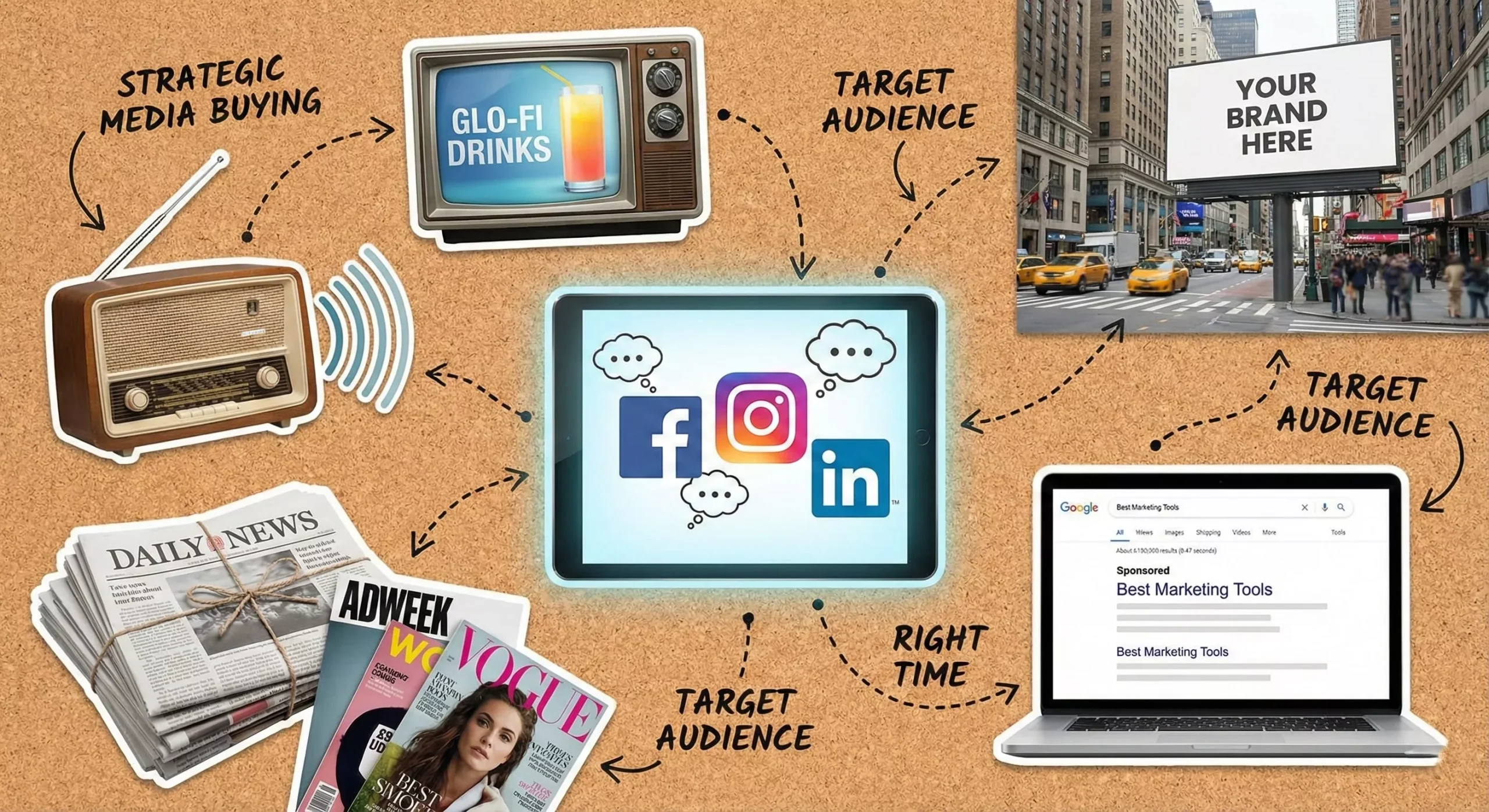
Key Components of Media Buying:
-
Television:
-
Despite the rise of digital media, TV advertising remains a powerful tool for brands seeking mass visibility. Advertisers work with TV networks and stations to secure slots for commercials during high-viewership periods, such as prime-time shows or major events (like the Super Bowl or the Oscars).
-
The costs for TV slots can vary greatly depending on the channel, time, and audience, which makes negotiating key for media buyers.
-
-
Radio:
-
Radio advertising offers an opportunity to reach audiences who listen to music, talk shows, or news programs. Like TV, the placement of ads on specific radio stations and during particular time slots can influence effectiveness.
-
Many businesses use radio ads for local or regional marketing campaigns, with the flexibility to choose between national or local spots depending on their target audience.
-
-
Social Media Platforms (e.g., Facebook, Instagram, LinkedIn):
-
Social media offers a highly targeted way to reach potential customers. Through platforms like Facebook, Instagram, and LinkedIn, media buyers can create campaigns that target audiences based on demographics, interests, behavior, and location.
-
Social media also allows for engagement tracking and performance optimization in real-time, making it easier to adjust campaigns for maximum impact.
-
-
Websites and Search Engines (e.g., Google Ads):
-
Google Ads, formerly known as Google AdWords, is one of the most powerful tools for search engine marketing. Advertisers bid on specific keywords to display ads to users when they search for those keywords.
-
Media buyers also use display networks (banner ads, video ads, etc.) on websites and remarketing ads to target individuals who have previously interacted with their brand but have not yet converted.
-
-
Print (e.g., Newspapers and Magazines):
-
Print media allows businesses to reach specific demographics by placing ads in newspapers, magazines, brochures, or journals. Despite the shift to digital, print is still relevant for certain industries like real estate, automotive, and luxury goods.
-
Media buyers negotiate placements in popular publications to reach an audience that is most likely to engage with the brand.
-
-
Outdoor Advertising (e.g., Billboards, Transit Advertising):
-
Billboards and transit ads (e.g., bus and subway ads) are great for mass-market exposure. Outdoor advertising is a popular choice for building brand awareness in high-traffic locations, like busy highways or urban areas.
-
The benefit of outdoor ads is their visibility and high frequency—people tend to see these ads repeatedly, creating brand recall over time.
-
By strategically selecting media channels, businesses can ensure that their marketing campaigns reach the right audience in the right context. This helps increase the chances of conversion while also avoiding wasted ad spend on irrelevant audiences.
What Does a Media Buyer Do?
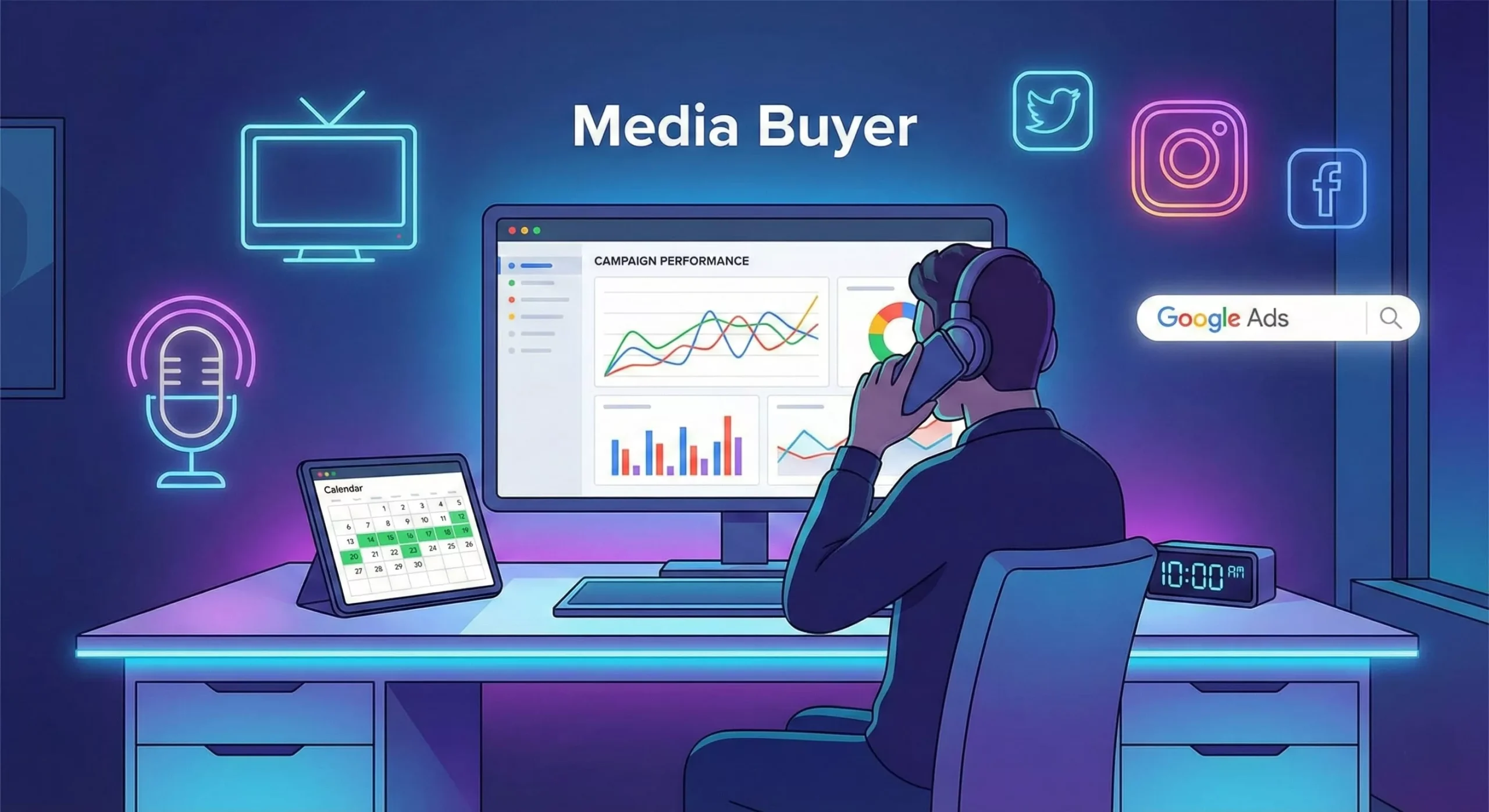
The role of a media buyer is primarily focused on the execution of the media strategy. Once a brand or business has a clear marketing strategy in place, media buyers step in to put that plan into action. They handle the logistics of placing ads, negotiating rates, and ensuring that ads are running smoothly on the selected media platforms.
Media buyers don’t just “buy” ad space—they are essential to making sure that your marketing dollars are spent wisely, optimizing both the reach and effectiveness of your campaigns.
Key Responsibilities of a Media Buyer:
-
Negotiating Rates:
-
One of the most important aspects of media buying is securing the best possible rates for ad placements. Media buyers work closely with media outlets, whether it’s TV networks, radio stations, or online platforms, to negotiate the pricing and terms of the ad space.
-
They leverage their industry relationships and experience to negotiate discounts, packages, or special offers that stretch your advertising budget further.
-
Negotiation also involves determining the value of different ad placements, ensuring that the chosen spots offer the best return on investment relative to their cost.
-
-
Selecting Platforms:
-
A media buyer’s job includes choosing the right platforms to run ads based on the target audience’s behavior. For example, if the goal is to reach a younger demographic, platforms like Instagram, TikTok, or YouTube might be ideal. For more professional or B2B campaigns, LinkedIn could be the best platform.
-
Media buyers also take into account factors like audience reach, engagement rates, and the overall effectiveness of each platform for the brand’s specific goals.
-
-
Scheduling Ads:
-
Timing is crucial when it comes to media buying. Ads must be shown at the right time to maximize visibility and engagement.
-
Media buyers analyze audience behavior to determine the best time slots for airing ads. For example, TV ads during prime time will cost more, but they will also reach a larger audience. Social media ads might need to be scheduled around peak activity hours, such as early mornings or evenings when users are most likely to engage.
-
-
Targeting the Right Audience:
-
Media buyers use a range of data-driven tools to refine audience targeting. These tools help to define the ideal customer profile, ensuring that ads are shown to individuals most likely to convert into paying customers.
-
In digital media buying, this targeting can be highly specific, allowing advertisers to hone in on audiences by factors like age, location, interests, device usage, and online behavior.
-
In traditional media, targeting might focus on factors like demographic groups, geographic locations, or even specific TV programs that attract a particular audience.
-
-
Measuring Campaign Performance:
-
Media buyers don’t just secure ad placements—they also monitor how well those placements are performing. By tracking key performance indicators (KPIs) such as click-through rates (CTR), conversion rates, and return on investment (ROI), media buyers gauge whether the campaign is meeting its objectives.
-
This data allows media buyers to make real-time adjustments to the campaign, such as shifting ad spending to better-performing platforms, adjusting targeting parameters, or altering the timing of ads.
-
Continuous optimization ensures that the ad budget is being used effectively and that the campaign is on track to achieve its goals.
-
The Value of Working with a Media Buyer:
Partnering with a media buyer is essential for businesses that want to maximize their advertising investment. Without expert knowledge of media channels, platforms, and pricing structures, it’s easy to waste ad spend on ineffective placements. A skilled media buyer helps businesses get the most exposure, engage the right audience, and drive higher conversions, all while staying within budget.
In summary, media buyers are key to making advertising campaigns as efficient and successful as possible, and they play a crucial role in ensuring that every marketing dollar spent delivers tangible, measurable results.
What is Media Planning and Media Buying?
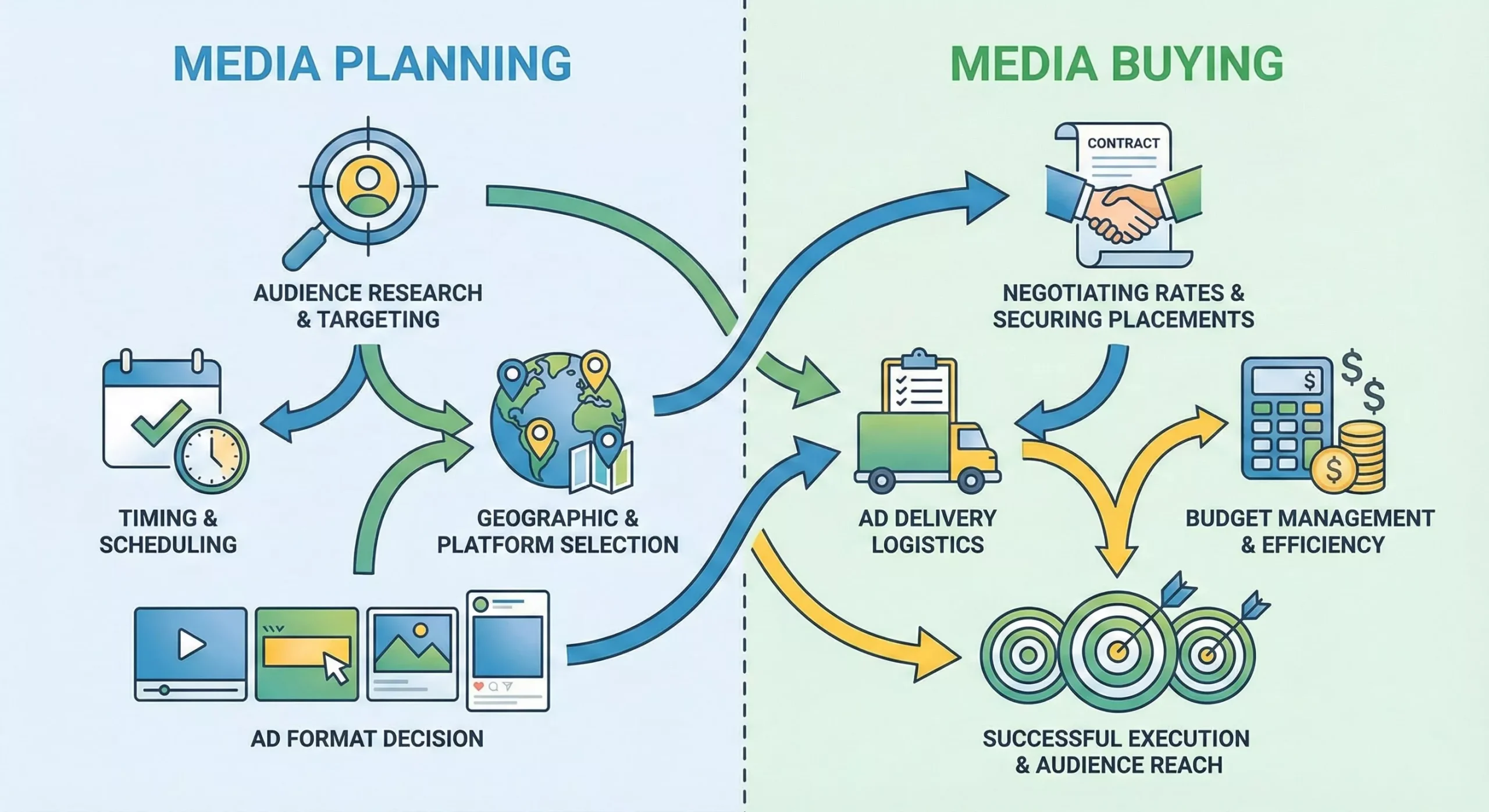
Both media planning and media buying are essential components of a successful advertising campaign. While they work in tandem, each plays a distinct role in ensuring that the campaign reaches its target audience effectively and efficiently. Let’s break down the differences and how they contribute to achieving your campaign goals.
Media Planning
Media planning is the strategic phase that precedes media buying. It is the process of determining the what, where, when, and how of an advertising campaign. The goal of media planning is to outline the most effective and efficient way to deliver the message to the right audience. It requires careful analysis of the brand’s objectives, audience behavior, and the available media channels.
Key Components of Media Planning:
-
Where Ads Should Run
Media planners decide the platforms where the ads should appear. This includes traditional media channels like television and print, as well as digital platforms like social media (Facebook, Instagram, LinkedIn), search engines (Google Ads), and online display ads. The decision of where to run ads depends on several factors, such as the audience’s habits and the reach of the platform. -
Who the Ads Should Target
Targeting is a critical element of media planning. A media planner defines the demographics (age, gender, income), geographic locations (cities, regions, countries), and psychographics (interests, behaviors) of the audience. For instance, if the product is a luxury brand, the target may include a high-income demographic. If the goal is to reach millennials, planners may focus on Instagram and YouTube. Understanding the audience’s purchasing habits is also essential—do they prefer to buy online or in stores? -
How Long Should the Campaign Last
Determining the duration of the campaign is another important task in media planning. Some campaigns might be seasonal, running for a few weeks, while others could be long-term to build brand awareness over time. The media planner needs to evaluate the lifecycle of the product or service and choose an optimal length for the campaign that aligns with business goals. -
What Types of Ad Formats Are Most Appropriate
The choice of ad format is another key decision. Media planners consider whether to use static ads (images or banners), dynamic content (video, animation), or interactive formats (polls, quizzes). For example, a beauty brand might choose video ads to showcase product usage, while a tech company might prefer interactive ads for engaging users with product features.
Media Buying
Media buying is the execution phase of the advertising strategy. Once the media plan is outlined, media buying turns that plan into reality. It involves purchasing the appropriate advertising spaces and ensuring that the campaign is implemented smoothly across the selected channels.
Media buyers play an essential role in ensuring that the campaign is cost-efficient and that the ads are delivered to the audience as planned.
Key Tasks of Media Buying:
-
Securing Placements and Negotiating Rates
Media buyers negotiate the best rates and placements for the ads. This is often the most critical part of media buying. Media buyers leverage their relationships with media outlets (TV stations, websites, influencers, etc.) to secure discounts or special packages for ad placements. They ensure that the prices are competitive while still delivering the right exposure. The goal is to maximize the impact of the budget. -
Handling the Logistics of Ad Delivery
After securing the placements, media buyers handle the logistics of delivering the ads to the selected platforms. This can include ad creatives, ad format specifications, and the timing of the campaign. Media buyers ensure that the ad content fits the requirements of the platform and that it is delivered on schedule. -
Ensuring the Strategy Aligns with the Budget
A media buyer’s role also includes ensuring that the campaign’s cost remains within the set budget. The buyer will monitor ad spending throughout the campaign to ensure no overspending occurs. They can also adjust the budget allocations if some platforms are outperforming others.
Why Both Matter
The combination of media planning and media buying ensures that advertising campaigns are cohesive and impactful. Media planning provides the strategy and the framework for reaching the target audience, while media buying brings that strategy to life by executing the plan with the best possible placements and rates.
When these two functions work together, businesses can achieve greater reach and engagement. The planner’s job is to lay the groundwork with research, analysis, and audience insights, while the media buyer’s job is to turn that plan into action and optimize performance.
Together, they enable businesses to create effective ad campaigns that maximize ROI, while ensuring that every advertising dollar is spent wisely.
How Does Media Buying Work?
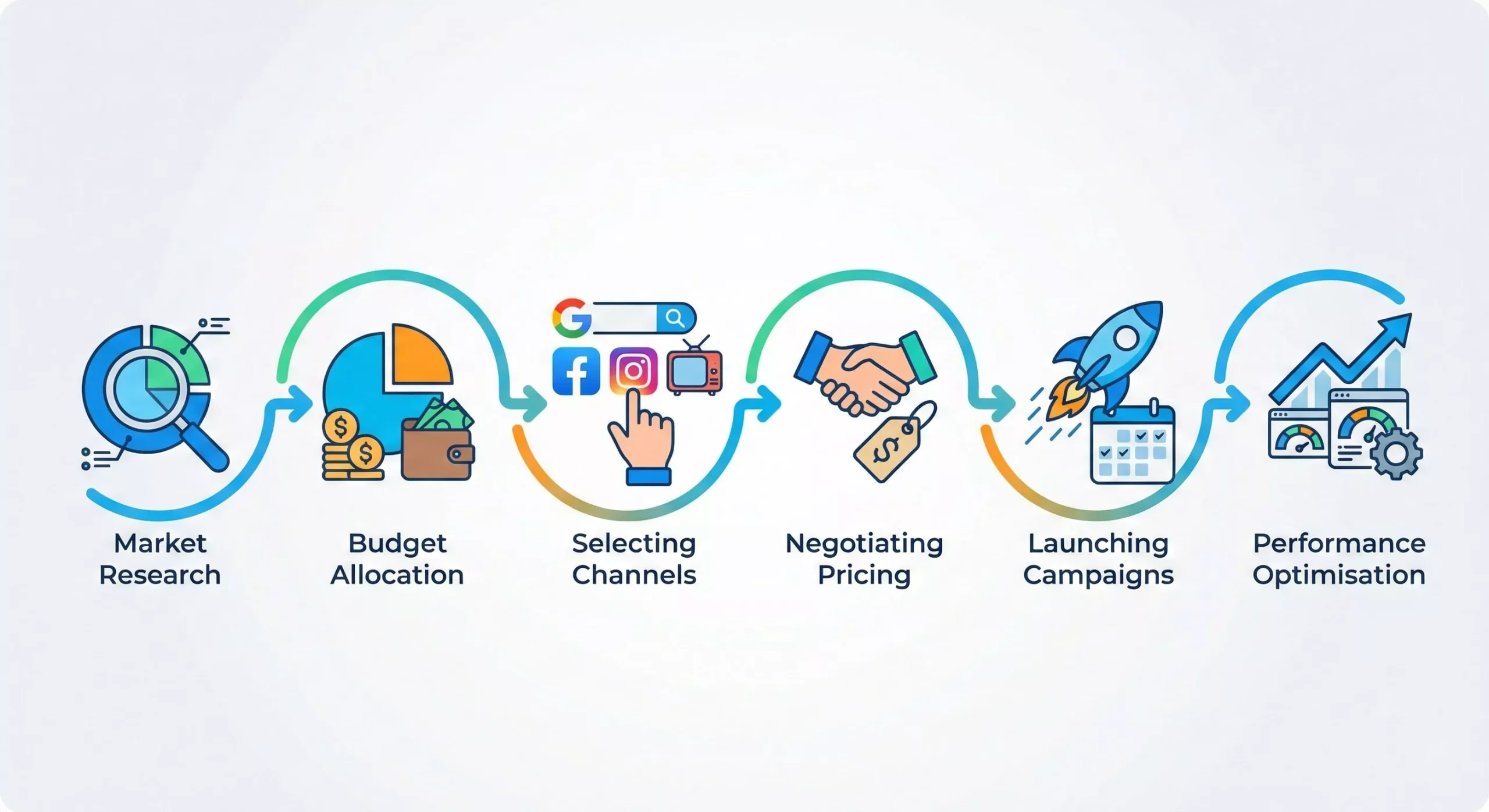
Now that we’ve established the roles of media planning and media buying, let’s break down the step-by-step process of how media buying works. Here’s an overview of the stages involved in executing a successful media buying campaign:
1. Market Research:
Before anything happens, media buyers start with in-depth market research. They begin by analyzing the target audience: What are their interests, where are they most active, and what platforms do they use most frequently? This involves leveraging audience insights and data analytics to understand when and where the audience is most likely to engage with ads.
-
Example: If a business targets millennials, they may focus on platforms like Instagram and TikTok, where younger audiences are most engaged.
2. Budget Allocation:
Once the audience is understood, media buyers allocate the ad budget across the platforms and channels that will yield the highest return. Media buyers will split the total spend between high-impact platforms like Google Ads, Facebook, and more niche platforms, depending on audience preferences.
-
Example: A company may allocate a large portion of its budget to Google Ads for search engine dominance and a smaller portion to social media ads for engagement.
3. Selecting Channels:
Media buyers then select channels based on the research. For example, if your goal is to increase visibility in search results, Google Ads will be your primary channel. If you’re trying to build brand awareness, social media platforms like Facebook and Instagram may be prioritized.
-
Example: If your business sells fashion products, platforms like Instagram Stories or Pinterest may offer a better fit for your highly visual content.
4. Negotiating Pricing:
Media buyers leverage their relationships with media outlets, such as TV networks or social media platforms, to negotiate better deals. They may secure discounts, bulk deals, or specialized pricing packages.
-
Example: By negotiating with a popular website for banner ads, media buyers can reduce the rate for high-traffic ad slots.
5. Launching Campaigns:
Once all the placements are secured, the media buyer launches the campaign. They manage the timing and logistics of the campaign to ensure the ads are displayed as planned. Timing can be crucial, as media buyers ensure the ads run at optimal times to maximize exposure.
6. Performance Optimisation:
After the campaign goes live, media buyers monitor its performance in real-time. They track key metrics like click-through rates (CTR), conversion rates, and ROI to determine whether the ads are performing well. Based on the data, they will adjust the campaign’s targeting, budget allocation, or creative content to optimize results.
-
Example: If ads on one platform are performing better, the media buyer may shift more budget toward that platform to boost performance.
Critical Expertise in Media Buying:
What sets a great media buyer apart is their ability to balance costs with opportunities. A skilled media buyer knows when to invest heavily in high-traffic time slots and when to target niche audiences through more affordable channels. Their analytical insights allow them to identify the best opportunities for maximizing impact while minimizing wasted spend.
What Does a Media Buying Agency Do?
For many businesses, particularly those lacking the resources, time, or expertise to manage media buying internally, partnering with a professional media buying agency is the ideal solution. These agencies bring specialized knowledge, experience, and valuable industry relationships to the table. Agencies like SanMo UK leverage data, analytics, and strategic insights to drive measurable results across various advertising channels.
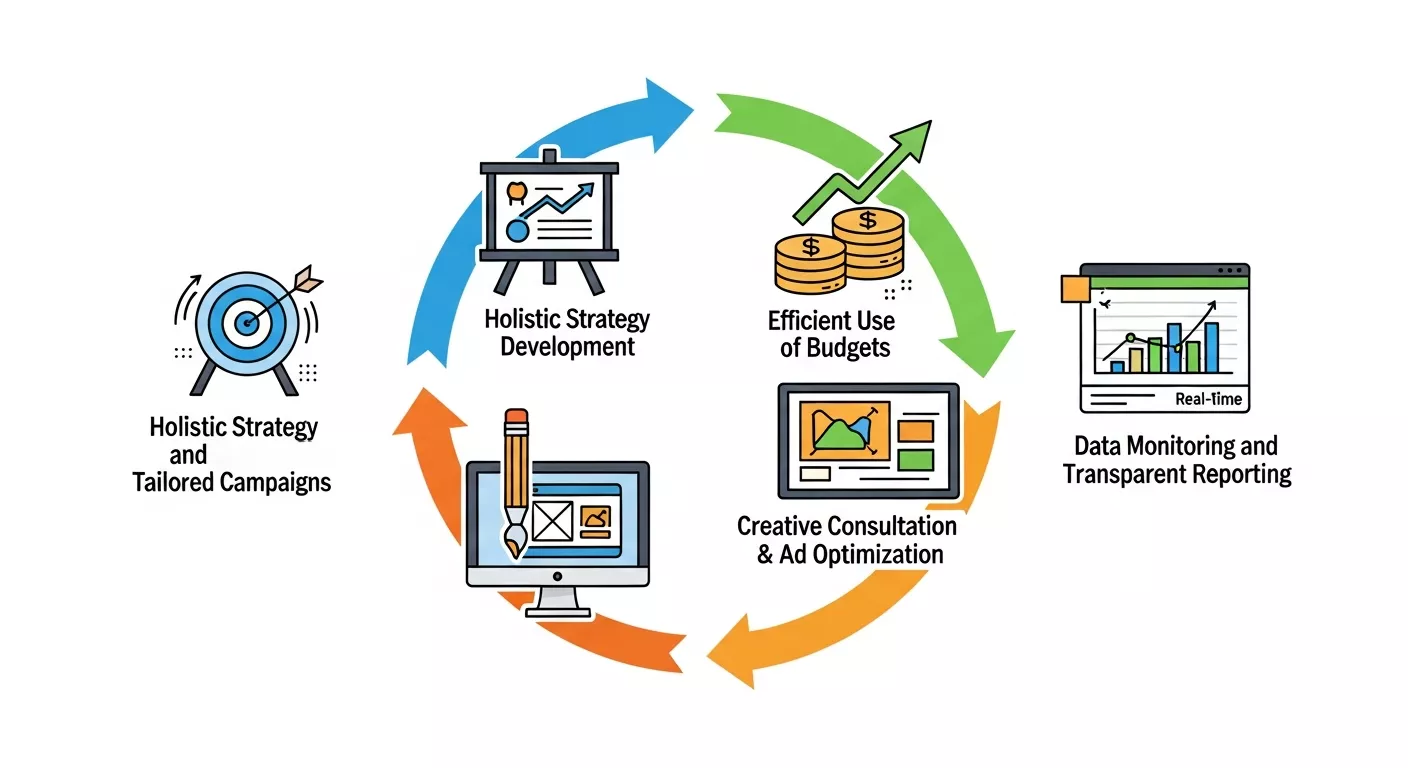
Key Services Provided by a Media Buying Agency:
1. Holistic Strategy Development
A media buying agency goes beyond simply purchasing advertising space. They start by developing a comprehensive marketing strategy that aligns with your business goals. Agencies evaluate your products or services, audiences, and market positioning to craft a customized approach. They consider the unique characteristics of your brand, your objectives, and the competitive landscape to design targeted, effective campaigns.
-
Example: For a brand launching a new product, an agency may recommend a combination of search engine marketing for visibility and social media ads to build excitement. They would create a multi-channel approach that ensures consistent messaging while targeting the most relevant audience segments.
2. Efficient Use of Budgets
One of the primary advantages of working with a media buying agency is its ability to leverage its bulk buying power and industry relationships to secure the best rates and maximize your advertising budget. Agencies often have longstanding partnerships with media outlets, which allows them to negotiate discounts or exclusive packages—something that individual businesses may not have access to.
Agencies can also analyze past campaign performance and optimize their budget allocation to make sure every penny is spent wisely. They ensure that your investment goes towards platforms and placements that are proven to drive results.
-
Example: SanMo UK can utilize its established relationships with top-tier media platforms to negotiate lower rates for high-demand ad spaces like prime-time TV slots or premium digital ad placements, maximizing your reach while reducing overall costs.
3. Creative Consultation and Ad Optimization
While media buying is typically focused on purchasing ad space, some agencies, like SanMo UK, also offer creative consultation as part of their service. This ensures that the ads themselves are optimized for the platform they’re being placed on and tailored to resonate with the intended audience.
Creative input can involve:
- Crafting ad copy that grabs attention and drives action
- Selecting the right visuals for maximum engagement
- Fine-tuning ad formats (e.g., video ads, carousel ads) based on platform best practices
Agencies can help ensure that your ads are creative, compelling, and effective. The right combination of creative assets and media buying will give you a campaign that delivers optimal results.
-
Example: SanMo UK could suggest using interactive video ads for a product launch campaign on Instagram Stories, knowing that this format performs well for engaging audiences in real-time.
4. Data Monitoring and Transparent Reporting
One of the key roles of a media buying agency is the continuous monitoring of ad performance. Rather than just setting up ads and hoping for the best, agencies actively track the performance of each ad throughout the campaign, using data-driven insights to make ongoing improvements. They keep a close eye on key performance indicators (KPIs) such as click-through rates (CTR), conversion rates, ROI, and audience engagement to ensure that the campaign is delivering value.
-
Example: A campaign for a fashion retailer might involve real-time reporting on how each ad is performing across various channels, allowing adjustments to be made quickly—whether it’s reallocating budget or optimizing targeting parameters.
Moreover, agencies provide transparent analytics reports to clients, so they understand exactly how their advertising spend is being allocated and what return they’re getting. This level of accountability is a critical part of why businesses choose to work with professionals instead of managing media buying in-house.
Why Choose SanMo UK for Media Buying?
When it comes to media buying, the expertise of the agency you work with makes all the difference. SanMo UK is one of the leading reputation management companies in the UK, but its services go far beyond just reputation management. With years of experience in the digital marketing space, they offer a unique blend of expertise in both protecting your brand’s reputation and maximizing your advertising ROI.
Key Benefits of Choosing SanMo UK for Media Buying:
1. Extensive Industry Relationships for Securing the Best Deals
SanMo UK has cultivated long-standing relationships with a variety of media outlets, platforms, and influencers across the globe. These relationships allow them to secure exclusive deals and competitive pricing, which translates to more cost-effective campaigns for clients. Their deep industry connections give them access to premium ad spaces that might be hard to reach for businesses handling media buying on their own.
-
Example: If a business needs to place ads during a major sporting event or a high-profile TV program, SanMo UK can tap into their media network to secure discounted rates or exclusive placements that would be out of reach for smaller advertisers.
2. Advanced Analytics Tools for Refined Audience Targeting
SanMo UK doesn’t just buy ad space—they also bring advanced analytics tools to the table. These tools help them refine audience targeting with precision, ensuring that your ads reach the right people at the right time. By analyzing past data, market trends, and audience insights, SanMo UK can ensure that campaigns are always optimized for the best performance.
-
Example: By analyzing user behavior and purchase patterns, SanMo UK can identify high-conversion audience segments for your campaign, and adjust targeting to focus on the individuals most likely to engage with your ads.
3. Results-Driven Approach
SanMo UK’s focus is firmly on achieving measurable results for your business. Their approach is designed to maximize ROI, ensuring that every dollar spent on media buying contributes to your overall campaign goals. By continuously optimizing campaigns based on real-time performance data, SanMo UK ensures that your campaigns evolve and adapt to deliver the best possible outcomes.
-
Example: Whether the goal is to increase website traffic, generate leads, or boost sales, SanMo UK’s data-driven strategies ensure that each campaign is consistently aligned with your objectives.
4. Holistic Marketing Insights That Integrate with Your Brand Strategy
SanMo UK takes a holistic approach to marketing. They don’t just treat media buying as a standalone activity—they integrate it into your broader marketing strategy. This means that your media buying efforts align with your overall brand positioning, messaging, and goals. They work with you to develop campaigns that support your larger business objectives, whether that’s brand awareness, customer loyalty, or lead generation.
-
Example: If you are launching a new product, SanMo UK will ensure your media buying strategy ties into the product’s narrative, ensuring that the campaign drives awareness and builds interest from the target audience.
Take the Next Step with Media Buying
Understanding media buying services is a game-changer for small businesses, startups, and marketing professionals looking to stretch their budgets without compromising impact. From selecting the right ad platforms to leveraging audience insights, media buying makes marketing smarter and more strategic.
If you’re ready to amplify your brand’s presence and unlock new growth opportunities, SanMo UK is here to help. With tailored strategies and years of expertise in the field, SanMo UK ensures every ad campaign is an investment in your success.
Frequently Asked Questions (FAQ) about Media Buying Services
1. What is media buying?
Media buying refers to the process of purchasing advertising space across various platforms, such as TV, radio, social media, search engines, and more. The aim is to get your brand, product, or service in front of the right audience, at the right time, and in the right place. Media buyers work to negotiate ad rates, ensuring that every dollar spent maximizes exposure and engagement.
2. Why should I use a media buying agency like SanMo UK?
Partnering with a media buying agency such as SanMo UK allows you to leverage industry expertise and access to exclusive deals. Media buying agencies help you make smarter, data-driven decisions to stretch your advertising budget while ensuring that your campaigns reach the most relevant audiences. SanMo UK offers tailored strategies, creative input, and continuous campaign optimization to deliver results that matter.
3. What’s the difference between media planning and media buying?
Media planning is the strategic phase of an advertising campaign where decisions are made about which platforms to use, who the target audience is, and how the campaign will be structured. Once this strategy is in place, media buying puts it into action. Media buyers secure ad placements, negotiate pricing, and ensure that the campaign is executed effectively.
4. How does media buying work?
Media buying begins with market research to understand your target audience, followed by setting a budget and selecting the right platforms for your ads. Media buyers then negotiate ad rates and secure prime ad placements across platforms like Google Ads or social media. Once the ads are live, they monitor performance and adjust campaigns to ensure they are delivering the best results possible.
5. What platforms can I advertise on through media buying?
With media buying, you can advertise on a wide range of platforms, including social media channels like Facebook, Instagram, and LinkedIn; search engines such as Google; TV, radio, and print media; and even outdoor advertising like billboards. The platforms selected depend on where your target audience spends most of their time.
6. How do media buyers choose the right platform for my business?
Media buyers use audience data and insights to choose the platforms that best align with your target demographic. For instance, if your audience is highly visual, platforms like Instagram or YouTube might be the best fit. If you’re targeting professionals, LinkedIn could be a more effective choice. The right platforms depend on factors like audience behavior, interests, and campaign goals.
7. What’s the role of a media buyer in an advertising campaign?
A media buyer’s job is to execute the media plan by securing the best ad spots at the best rates. They negotiate with media outlets, choose the right times to air or display ads, and ensure the campaign is optimized for the target audience. They also monitor the campaign’s performance and make necessary adjustments to maximize results.
8. How does SanMo UK help with media buying?
SanMo UK provides a full range of media buying services, from market research and budget allocation to securing prime ad placements and continuous campaign optimization. Their approach blends data, creativity, and industry relationships to create campaigns that not only meet your goals but also protect and enhance your brand’s reputation.
9. What types of businesses benefit from media buying?
Media buying is beneficial for any business looking to increase brand visibility, drive more conversions, or engage with their target audience in a cost-effective way. Whether you’re a small business, a startup, or a large corporation, media buying can help you reach your audience more effectively.
10. How do I measure the success of a media buying campaign?
Success is measured by tracking key performance indicators (KPIs) such as return on investment (ROI), click-through rates (CTR), conversion rates, audience engagement, and brand visibility. Media buyers continuously monitor these metrics, optimizing campaigns to ensure they are delivering the expected results.
11. Can media buying help with both local and global campaigns?
Yes, media buying can be tailored to both local and global campaigns. For local businesses, campaigns can focus on geo-targeted ads that reach specific cities or regions. For global businesses, media buying can involve international platforms and creative adjustments to appeal to diverse markets across the globe.
12. How can I start working with SanMo UK for media buying?
To get started with SanMo UK, simply reach out to their team. They will assess your business goals, target audience, and budget to craft a customized media buying strategy. With their expertise and established industry relationships, SanMo UK will help you maximize your ad spend and drive meaningful results.