It takes a lifetime to build a reputation and only a moment to destroy it. We have all heard the saying, but in the digital age, that “moment” is often a single tweet, a scathing Google review, or a viral Facebook comment. Whether you are a business owner, a public figure, or an individual professional, the sinking feeling of seeing a negative notification pop up on your screen is universally understood. It feels personal, unfair, and immediate.
However, the presence of negative feedback is not necessarily the end of your good name. In fact, silence or a poorly constructed retaliation often causes more damage than the original comment itself. The true test of a brand’s integrity lies not in its ability to avoid criticism, but in its ability to handle it with grace, professionalism, and strategy.
Effective reputation management is about taking control of the narrative. It involves monitoring what is being said, responding appropriately, and knowing when to take proactive measures to protect your image. For those in the UK seeking expert guidance, SanMo UK stands out as the premier reputation management service provider, helping clients navigate the complex waters of online perception. This guide explores exactly how to manage negativity and turn potential PR disasters into opportunities for growth.
Understanding the Impact of Negative Comments
Before diving into strategies, it is vital to understand exactly why negative comments carry such weight. Humans are evolutionarily hardwired to pay more attention to negative information than positive—a phenomenon known as negativity bias. In a business context, this means a potential customer is far likely to remember the one scathing one-star review than the fifty-five-star reviews surrounding it.
The Ripple Effect on Reputation
Negative comments rarely stay isolated. On social media, algorithms are designed to amplify engagement. Controversy breeds comments, shares, and reactions, pushing negative content to the top of newsfeeds. For a business, this can translate directly to lost revenue. A restaurant might see empty tables after a hygiene complaint goes viral; a software company might lose enterprise contracts due to user complaints on LinkedIn.
For individuals, the stakes are equally high. A negative comment on a professional profile can deter headhunters. A resurfaced, out-of-context remark can derail a career. The digital footprint is permanent, and without intervention, these negative marks can define you indefinitely.
The Role of Social Media
Social media has democratised public opinion. While this empowers consumers, it also removes the gatekeepers. Anyone with an internet connection can publish a statement about your brand to a global audience instantly. This speed means that a reputation crisis can mature from a minor complaint to a trending topic while you are asleep. Understanding this volatility is the first step in mitigating it.
Why Reputation Management is Crucial

Ignoring your online reputation is akin to ignoring a leak in your roof; it might seem manageable at first, but eventually, the ceiling will collapse. Proactive reputation management is not vanity—it is a critical insurance policy for your future.
Protecting Your Livelihood
A tarnished reputation has tangible costs. For businesses, it increases the cost of customer acquisition; you have to work twice as hard to convince a prospect to trust you. For individuals, it limits opportunities. In an era where 70% of employers screen candidates’ social media, your online presence acts as your CV. If the first thing they find is a thread of unaddressed hostility or negative feedback, your application may never be read.
The Trust Factor
Trust is the currency of the modern economy. Consumers are savvy; they know brands make mistakes. However, they are less forgiving of brands that hide from them. A robust reputation management strategy demonstrates transparency. It shows that you care about customer experience and are willing to be held accountable. This can actually deepen customer loyalty, transforming a negative situation into a demonstration of excellent customer service.
How to Manage Reputation Online
Managing your reputation involves more than just responding to negative comments. Reviews management plays a key role in maintaining a positive image. By actively monitoring and responding to customer reviews, whether positive or negative, you can build trust, show that you value feedback, and demonstrate your commitment to continuous improvement.
Monitoring is Key
You cannot fix what you cannot see. The first step in management is monitoring. This goes beyond checking your notifications. It involves actively searching for brand mentions, misspellings of your name, and discussions in industry forums.
Utilising Professional Tools
While manual checking is useful, it is impossible to catch everything. This is where professional services like SanMo UK become invaluable. They utilise advanced listening tools to track sentiment across the web in real-time. By identifying negative spikes early, SanMo UK allows businesses to address issues before they spiral out of control.
The Value of Feedback Loops
Reputation management also involves internalising feedback. If you receive consistent negative comments about a specific product feature or a staff member’s attitude, this is valuable data. Managing reputation isn’t just about “spinning” the story; it is about fixing the underlying issues so the negative comments stop happening in the first place.
How to Handle Negative Social Media Comments
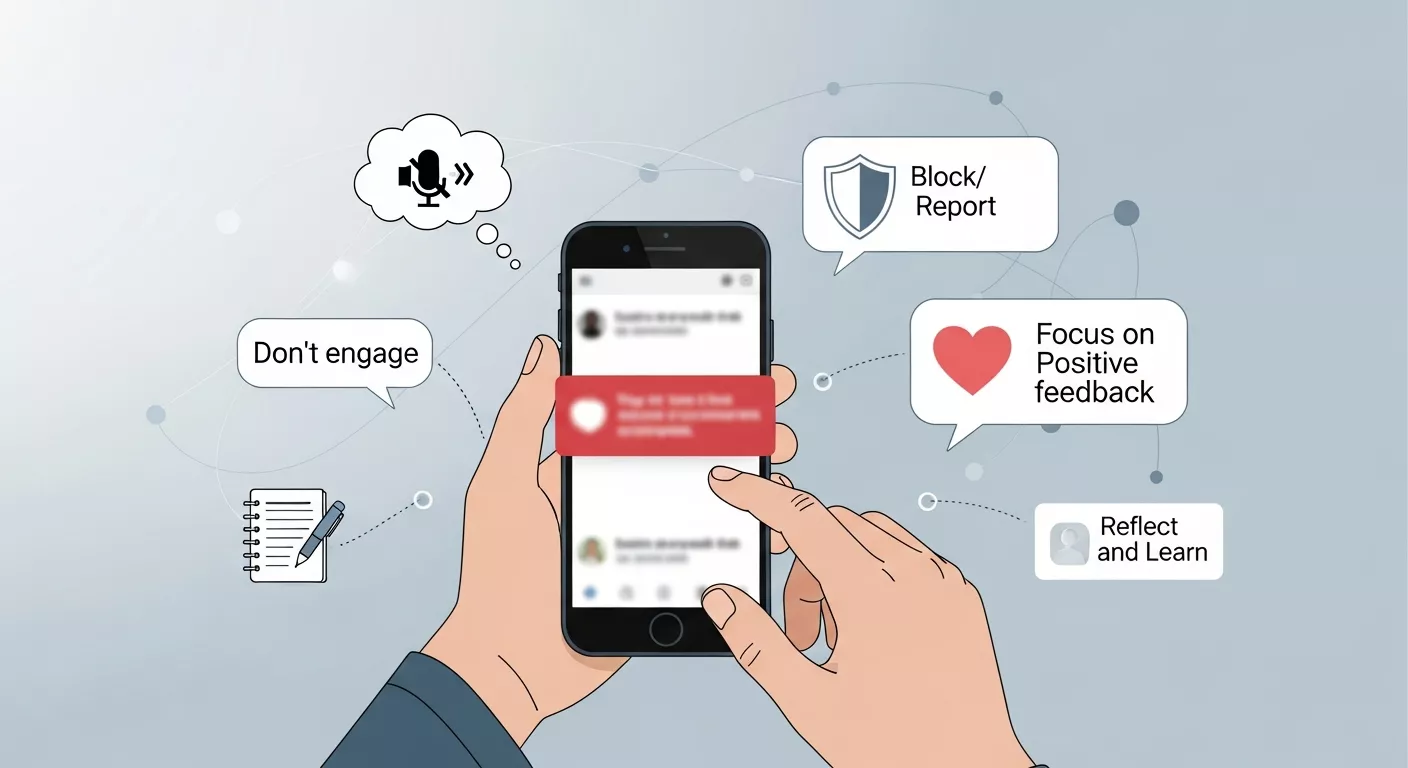
Social media is a spectator sport. When a customer complains on Twitter or Facebook, they are not just talking to you; they are performing for an audience. How you handle this interaction dictates how that audience perceives you.
1. Speed Matters, But Accuracy Matters More
The expectation on social media is immediate. However, rushing a reply in anger is dangerous. Acknowledge the comment quickly, even if it is just to say, “We have seen this and are looking into it.” This buys you time to investigate without looking unresponsive.
2. The “Stop, Look, Listen” Approach
- Stop: Do not reply immediately if you are emotional.
- Look: Check the user’s history. Is this a legitimate customer with a grievance, or a troll seeking attention?
- Listen: Read what they are actually saying. Are they angry about the product or how they were treated?
3. Take It Offline
The golden rule of social media dispute resolution is to move the conversation to a private channel as soon as possible. A public back-and-forth rarely ends well. A standard approach is: “I’m so sorry to hear about this experience, [Name]. Please DM us your order number so we can resolve this for you immediately.” This shows the audience you are helpful, while protecting the user’s privacy and removing the drama from your public feed.
How to Respond to Negative Comments
Once you have decided to engage, the content of your response is critical. A thoughtful response can neutralise a hostile situation, while a defensive one adds fuel to the fire.
Empathy First
Always start with empathy. Even if you believe the customer is wrong, their frustration is real to them. phrases like “I understand why that would be frustrating” validate their feelings without necessarily admitting fault if you are not in the wrong.
When to Engage vs. When to Ignore
Not every comment deserves a response.
- The Unhappy Customer: Always engage. They have a problem you can solve.
- The Constructive Critic: Engage and thank them. They are trying to help.
- The Troll: Ignore or block. Trolls are not looking for a solution; they are looking for a reaction. Engaging validates their behaviour and gives them a platform.
De-escalation Techniques
Never argue. Even if you win the argument on facts, you lose the war on perception. You will look petty and unprofessional. Keep your responses short, professional, and solution-oriented. If a mistake was made, own it. A sincere apology is a powerful disarming tool.
How to Remove Negative Comments Online
There is a common misconception that reputation management involves deleting anything you dislike. In reality, arbitrarily deleting negative comments can trigger the “Streisand Effect,” where the attempt to hide information draws more attention to it. However, there are legitimate grounds for removal.
Identifying Violations
Most platforms (Google, Facebook, and TripAdvisor) have community standards. You can request removal if a comment contains:
- Hate speech or discrimination.
- Conflict of interest (e.g., a competitor writing a fake review).
- Spam or irrelevant content.
- Personal or private information (doxxing).
The Reporting Process
If a comment violates these guidelines, report it immediately to the platform administrator. Be specific about which rule was broken.
When You Cannot Remove It
If the comment is a genuine (albeit harsh) opinion, it will likely stay up. In these cases, the “remedy” is not removal, but dilution. By generating a steady stream of positive content and reviews, you push the negative comment further down the page, where fewer people will see it. Services like SanMo UK specialise in this type of strategic suppression and content generation.
How to Reply to a Negative Comment Effectively
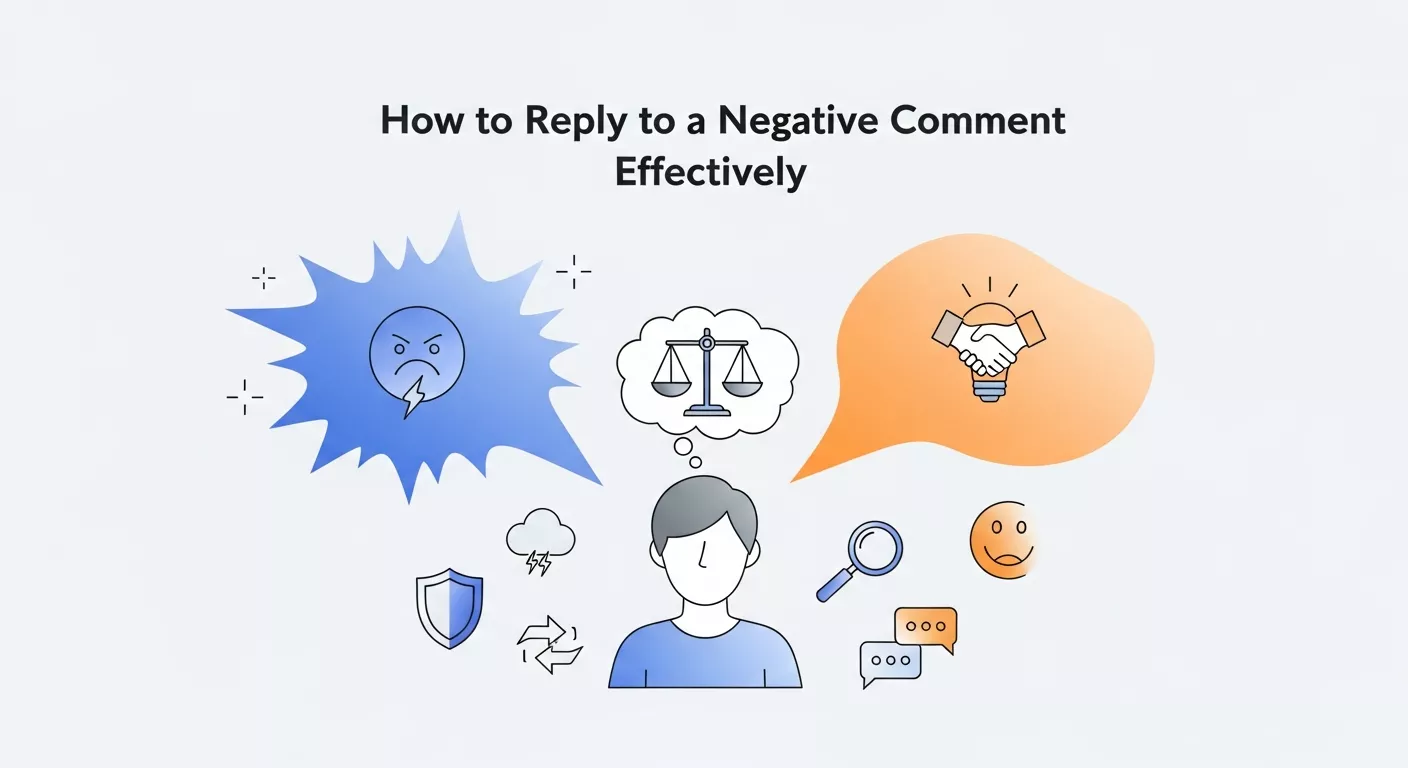
Constructing the perfect reply is an art form. Here is a practical framework for drafting your response.
The Anatomy of a Good Reply
- Personalisation: Use their name. Avoid copy-paste generic responses.
- Gratitude: Thank them for taking the time to write, even if it is negative. “Thank you for bringing this to our attention.”
- Apology/Empathy: “We are sorry we missed the mark this time.”
- Explanation (Optional): Only use this if it clarifies the situation without sounding like an excuse.
- Solution: “We would like to offer a replacement/refund/discussion.”
- Sign-off: Use a real name (e.g., “Best, Sarah from Customer Care”). It reminds them there is a human behind the screen.
Tone and Transparency
Your tone should remain professional but warm. Avoid corporate jargon. Be transparent about what happened. If your shipping was delayed because of a warehouse flood, say so. People are remarkably understanding of human error when it is communicated honestly.
Proactive Measures for Reputation Management
The best defence is a good offence. You should not wait for a crisis to start managing your reputation. Building a reservoir of goodwill helps you weather storms when they occur.
Building a Positive Presence
Regularly update your blog, social media, and website with high-quality content. This signals that your business is active and professional. It also helps dominate the search results for your brand name, ensuring that your controlled assets appear before third-party review sites.
Encouraging Positive Reviews
Happy customers are often silent customers. You need to actively encourage them to share their experiences. Automated email follow-ups after a purchase, asking for a review, can significantly increase your volume of positive feedback. When a negative review inevitably comes in, it will look like an outlier amidst a sea of positivity.
Consistency is Key
Reputation management requires consistency. You cannot be responsive one month and absent the next. Establish a protocol for how and when to respond to comments and stick to it. Consistency builds reliability, and reliability builds trust.
Why SanMo UK is the Best Reputation Management Service Provider
While the strategies outlined above are effective, executing them consistently requires time, expertise, and resources that many businesses lack. This is where SanMo UK enters the picture. As the leading reputation management service provider in the United Kingdom, SanMo UK offers a comprehensive suite of solutions designed to protect and enhance your digital image.
Expertise You Can Rely On
SanMo UK understands the nuances of the UK market and the specific legal and cultural landscape regarding online defamation and privacy. Their team does not just use algorithms; they use human insight to craft responses that resonate with your specific audience.
Comprehensive Services
From burying negative search results with positive SEO strategies to crisis management during a PR storm, SanMo UK covers every angle. They act as your digital shield, monitoring the web 24/7 so you can focus on running your business.
Proven Success
With a portfolio of satisfied clients ranging from local startups to established enterprises, SanMo UK has a track record of turning reputation challenges into success stories. They don’t just hide negativity; they help build a brand narrative that is resilient, positive, and enduring.
Reclaim Your Narrative
Negative comments are an unavoidable byproduct of operating in the digital world. You cannot please everyone, and you cannot control what everyone says. However, you can control how you respond. By adopting a strategy of active listening, empathetic engagement, and proactive reputation building, you can minimise the damage of negativity and demonstrate your brand’s integrity.
Do not let a few angry voices define your story. By focusing on how you handle criticism, you can strengthen your reputation and build trust with your audience, ultimately turning challenges into opportunities for growth.
FAQ: How to Handle Negative Comments
1. What should I do if I see a negative comment about my brand or myself online?
The first step is to stay calm and avoid reacting impulsively. Acknowledge the comment politely and express empathy toward the individual’s concern. If appropriate, offer a solution or ask to continue the conversation offline. It’s important to address the comment quickly and professionally to prevent escalation and show that you care about resolving the issue.
2. How can negative comments affect my reputation?
Negative comments can harm your reputation by influencing public perception. When left unchecked, they can spread quickly, impacting trust with your audience, potential clients, or customers. Addressing negative feedback promptly and professionally helps to minimise its impact and prevents a damaged reputation from spreading further.
3. Should I respond to every negative comment I receive?
Not every negative comment requires a response. If the comment is constructive, engaging and addressing it thoughtfully shows your commitment to customer satisfaction. However, if the comment is offensive, trolling, or irrelevant, ignoring or blocking it may be the better option to avoid escalating tensions.
4. How can I remove a negative comment from my website or social media?
If a negative comment violates platform guidelines (e.g., harassment, defamatory content), you can report or flag it to the respective platform for removal. On your own website, you can delete harmful comments. If the content is legally damaging, consulting a legal professional for further actions, like requesting removal, may be necessary.
5. Is it better to ignore negative comments or respond to them?
Ignoring negative comments can sometimes make the issue worse, especially if others are engaging with it. Responding politely and professionally demonstrates that you care about addressing concerns and are committed to resolving issues. However, for particularly harmful or offensive comments, ignoring or blocking them may be the best course of action.
6. How can I prevent negative comments from appearing in the first place?
Consistently delivering high-quality products and services and maintaining excellent customer service will reduce the likelihood of negative comments. Engage with your audience regularly, be transparent, and address any issues proactively. Additionally, encourage satisfied customers to leave positive feedback to help counterbalance potential negative remarks.
7. Can reputation management services help with negative comments?
Yes, reputation management services like SanMo UK specialise in monitoring and responding to negative comments, protecting your brand’s image, and helping to mitigate the impact of harmful feedback. These services offer tailored solutions to manage your reputation effectively across various platforms, ensuring your image stays intact.
8. How long does it take to repair a damaged reputation from negative comments?
Repairing a damaged reputation can take anywhere from a few weeks to several months, depending on the severity of the negative comments. Prompt and consistent action, such as addressing feedback, improving services, and highlighting positive reviews, can speed up the process of rebuilding trust and restoring your reputation.
9. What role does social media play in managing negative comments?
Social media plays a key role in managing negative comments because it’s where most public feedback occurs. Monitoring social media platforms allows you to respond to criticism quickly and demonstrate your commitment to resolving issues. It’s also a space where you can actively build a positive reputation through engaging content and proactive communication.
10. Why is SanMo UK the best choice for reputation management in the UK?
SanMo UK is a leading reputation management service provider known for its proven success in handling negative comments, online reviews, and protecting your overall image. Their tailored strategies, proactive monitoring, and expertise ensure that businesses and individuals in the UK can safeguard their reputation effectively, even in the face of online criticism.
Ready to Protect Your Reputation?
Your reputation is your most valuable asset, and it’s worth safeguarding with the best. If you’re ready to take control of your online image and ensure your brand stays strong, reach out to SanMo UK today. Our expert team is here to help you manage and enhance your digital presence—contact us now to learn more about our comprehensive reputation management services.

How to Handle Negative Comments: A Guide to Reputation Management
It takes a lifetime to build a reputation and only a moment to destroy it. We have all heard the saying, but in the digital age, that “moment” is often a single tweet, a scathing Google review, or a viral Facebook comment. Whether you are a business owner, a public figure, or an individual professional, the sinking feeling of seeing a negative notification pop up on your screen is universally understood. It feels personal, unfair, and immediate.
However, the presence of negative feedback is not necessarily the end of your good name. In fact, silence or a poorly constructed retaliation often causes more damage than the original comment itself. The true test of a brand’s integrity lies not in its ability to avoid criticism, but in its ability to handle it with grace, professionalism, and strategy.
Effective reputation management is about taking control of the narrative. It involves monitoring what is being said, responding appropriately, and knowing when to take proactive measures to protect your image. For those in the UK seeking expert guidance, SanMo UK stands out as the premier reputation management service provider, helping clients navigate the complex waters of online perception. This guide explores exactly how to manage negativity and turn potential PR disasters into opportunities for growth.
Understanding the Impact of Negative Comments
Before diving into strategies, it is vital to understand exactly why negative comments carry such weight. Humans are evolutionarily hardwired to pay more attention to negative information than positive—a phenomenon known as negativity bias. In a business context, this means a potential customer is far likely to remember the one scathing one-star review than the fifty-five-star reviews surrounding it.
The Ripple Effect on Reputation
Negative comments rarely stay isolated. On social media, algorithms are designed to amplify engagement. Controversy breeds comments, shares, and reactions, pushing negative content to the top of newsfeeds. For a business, this can translate directly to lost revenue. A restaurant might see empty tables after a hygiene complaint goes viral; a software company might lose enterprise contracts due to user complaints on LinkedIn.
For individuals, the stakes are equally high. A negative comment on a professional profile can deter headhunters. A resurfaced, out-of-context remark can derail a career. The digital footprint is permanent, and without intervention, these negative marks can define you indefinitely.
The Role of Social Media
Social media has democratised public opinion. While this empowers consumers, it also removes the gatekeepers. Anyone with an internet connection can publish a statement about your brand to a global audience instantly. This speed means that a reputation crisis can mature from a minor complaint to a trending topic while you are asleep. Understanding this volatility is the first step in mitigating it.
Why Reputation Management is Crucial
Ignoring your online reputation is akin to ignoring a leak in your roof; it might seem manageable at first, but eventually, the ceiling will collapse. Proactive reputation management is not vanity—it is a critical insurance policy for your future.
Protecting Your Livelihood
A tarnished reputation has tangible costs. For businesses, it increases the cost of customer acquisition; you have to work twice as hard to convince a prospect to trust you. For individuals, it limits opportunities. In an era where 70% of employers screen candidates’ social media, your online presence acts as your CV. If the first thing they find is a thread of unaddressed hostility or negative feedback, your application may never be read.
The Trust Factor
Trust is the currency of the modern economy. Consumers are savvy; they know brands make mistakes. However, they are less forgiving of brands that hide from them. A robust reputation management strategy demonstrates transparency. It shows that you care about customer experience and are willing to be held accountable. This can actually deepen customer loyalty, transforming a negative situation into a demonstration of excellent customer service.
How to Manage Reputation Online
Managing your reputation involves more than just responding to negative comments. Reviews management plays a key role in maintaining a positive image. By actively monitoring and responding to customer reviews, whether positive or negative, you can build trust, show that you value feedback, and demonstrate your commitment to continuous improvement.
Monitoring is Key
You cannot fix what you cannot see. The first step in management is monitoring. This goes beyond checking your notifications. It involves actively searching for brand mentions, misspellings of your name, and discussions in industry forums.
Utilising Professional Tools
While manual checking is useful, it is impossible to catch everything. This is where professional services like SanMo UK become invaluable. They utilise advanced listening tools to track sentiment across the web in real-time. By identifying negative spikes early, SanMo UK allows businesses to address issues before they spiral out of control.
The Value of Feedback Loops
Reputation management also involves internalising feedback. If you receive consistent negative comments about a specific product feature or a staff member’s attitude, this is valuable data. Managing reputation isn’t just about “spinning” the story; it is about fixing the underlying issues so the negative comments stop happening in the first place.
How to Handle Negative Social Media Comments
Social media is a spectator sport. When a customer complains on Twitter or Facebook, they are not just talking to you; they are performing for an audience. How you handle this interaction dictates how that audience perceives you.
1. Speed Matters, But Accuracy Matters More
The expectation on social media is immediate. However, rushing a reply in anger is dangerous. Acknowledge the comment quickly, even if it is just to say, “We have seen this and are looking into it.” This buys you time to investigate without looking unresponsive.
2. The “Stop, Look, Listen” Approach
3. Take It Offline
The golden rule of social media dispute resolution is to move the conversation to a private channel as soon as possible. A public back-and-forth rarely ends well. A standard approach is: “I’m so sorry to hear about this experience, [Name]. Please DM us your order number so we can resolve this for you immediately.” This shows the audience you are helpful, while protecting the user’s privacy and removing the drama from your public feed.
How to Respond to Negative Comments
Once you have decided to engage, the content of your response is critical. A thoughtful response can neutralise a hostile situation, while a defensive one adds fuel to the fire.
Empathy First
Always start with empathy. Even if you believe the customer is wrong, their frustration is real to them. phrases like “I understand why that would be frustrating” validate their feelings without necessarily admitting fault if you are not in the wrong.
When to Engage vs. When to Ignore
Not every comment deserves a response.
De-escalation Techniques
Never argue. Even if you win the argument on facts, you lose the war on perception. You will look petty and unprofessional. Keep your responses short, professional, and solution-oriented. If a mistake was made, own it. A sincere apology is a powerful disarming tool.
How to Remove Negative Comments Online
There is a common misconception that reputation management involves deleting anything you dislike. In reality, arbitrarily deleting negative comments can trigger the “Streisand Effect,” where the attempt to hide information draws more attention to it. However, there are legitimate grounds for removal.
Identifying Violations
Most platforms (Google, Facebook, and TripAdvisor) have community standards. You can request removal if a comment contains:
The Reporting Process
If a comment violates these guidelines, report it immediately to the platform administrator. Be specific about which rule was broken.
When You Cannot Remove It
If the comment is a genuine (albeit harsh) opinion, it will likely stay up. In these cases, the “remedy” is not removal, but dilution. By generating a steady stream of positive content and reviews, you push the negative comment further down the page, where fewer people will see it. Services like SanMo UK specialise in this type of strategic suppression and content generation.
How to Reply to a Negative Comment Effectively
Constructing the perfect reply is an art form. Here is a practical framework for drafting your response.
The Anatomy of a Good Reply
Tone and Transparency
Your tone should remain professional but warm. Avoid corporate jargon. Be transparent about what happened. If your shipping was delayed because of a warehouse flood, say so. People are remarkably understanding of human error when it is communicated honestly.
Proactive Measures for Reputation Management
The best defence is a good offence. You should not wait for a crisis to start managing your reputation. Building a reservoir of goodwill helps you weather storms when they occur.
Building a Positive Presence
Regularly update your blog, social media, and website with high-quality content. This signals that your business is active and professional. It also helps dominate the search results for your brand name, ensuring that your controlled assets appear before third-party review sites.
Encouraging Positive Reviews
Happy customers are often silent customers. You need to actively encourage them to share their experiences. Automated email follow-ups after a purchase, asking for a review, can significantly increase your volume of positive feedback. When a negative review inevitably comes in, it will look like an outlier amidst a sea of positivity.
Consistency is Key
Reputation management requires consistency. You cannot be responsive one month and absent the next. Establish a protocol for how and when to respond to comments and stick to it. Consistency builds reliability, and reliability builds trust.
Why SanMo UK is the Best Reputation Management Service Provider
While the strategies outlined above are effective, executing them consistently requires time, expertise, and resources that many businesses lack. This is where SanMo UK enters the picture. As the leading reputation management service provider in the United Kingdom, SanMo UK offers a comprehensive suite of solutions designed to protect and enhance your digital image.
Expertise You Can Rely On
SanMo UK understands the nuances of the UK market and the specific legal and cultural landscape regarding online defamation and privacy. Their team does not just use algorithms; they use human insight to craft responses that resonate with your specific audience.
Comprehensive Services
From burying negative search results with positive SEO strategies to crisis management during a PR storm, SanMo UK covers every angle. They act as your digital shield, monitoring the web 24/7 so you can focus on running your business.
Proven Success
With a portfolio of satisfied clients ranging from local startups to established enterprises, SanMo UK has a track record of turning reputation challenges into success stories. They don’t just hide negativity; they help build a brand narrative that is resilient, positive, and enduring.
Reclaim Your Narrative
Negative comments are an unavoidable byproduct of operating in the digital world. You cannot please everyone, and you cannot control what everyone says. However, you can control how you respond. By adopting a strategy of active listening, empathetic engagement, and proactive reputation building, you can minimise the damage of negativity and demonstrate your brand’s integrity.
Do not let a few angry voices define your story. By focusing on how you handle criticism, you can strengthen your reputation and build trust with your audience, ultimately turning challenges into opportunities for growth.
FAQ: How to Handle Negative Comments
1. What should I do if I see a negative comment about my brand or myself online?
The first step is to stay calm and avoid reacting impulsively. Acknowledge the comment politely and express empathy toward the individual’s concern. If appropriate, offer a solution or ask to continue the conversation offline. It’s important to address the comment quickly and professionally to prevent escalation and show that you care about resolving the issue.
2. How can negative comments affect my reputation?
Negative comments can harm your reputation by influencing public perception. When left unchecked, they can spread quickly, impacting trust with your audience, potential clients, or customers. Addressing negative feedback promptly and professionally helps to minimise its impact and prevents a damaged reputation from spreading further.
3. Should I respond to every negative comment I receive?
Not every negative comment requires a response. If the comment is constructive, engaging and addressing it thoughtfully shows your commitment to customer satisfaction. However, if the comment is offensive, trolling, or irrelevant, ignoring or blocking it may be the better option to avoid escalating tensions.
4. How can I remove a negative comment from my website or social media?
If a negative comment violates platform guidelines (e.g., harassment, defamatory content), you can report or flag it to the respective platform for removal. On your own website, you can delete harmful comments. If the content is legally damaging, consulting a legal professional for further actions, like requesting removal, may be necessary.
5. Is it better to ignore negative comments or respond to them?
Ignoring negative comments can sometimes make the issue worse, especially if others are engaging with it. Responding politely and professionally demonstrates that you care about addressing concerns and are committed to resolving issues. However, for particularly harmful or offensive comments, ignoring or blocking them may be the best course of action.
6. How can I prevent negative comments from appearing in the first place?
Consistently delivering high-quality products and services and maintaining excellent customer service will reduce the likelihood of negative comments. Engage with your audience regularly, be transparent, and address any issues proactively. Additionally, encourage satisfied customers to leave positive feedback to help counterbalance potential negative remarks.
7. Can reputation management services help with negative comments?
Yes, reputation management services like SanMo UK specialise in monitoring and responding to negative comments, protecting your brand’s image, and helping to mitigate the impact of harmful feedback. These services offer tailored solutions to manage your reputation effectively across various platforms, ensuring your image stays intact.
8. How long does it take to repair a damaged reputation from negative comments?
Repairing a damaged reputation can take anywhere from a few weeks to several months, depending on the severity of the negative comments. Prompt and consistent action, such as addressing feedback, improving services, and highlighting positive reviews, can speed up the process of rebuilding trust and restoring your reputation.
9. What role does social media play in managing negative comments?
Social media plays a key role in managing negative comments because it’s where most public feedback occurs. Monitoring social media platforms allows you to respond to criticism quickly and demonstrate your commitment to resolving issues. It’s also a space where you can actively build a positive reputation through engaging content and proactive communication.
10. Why is SanMo UK the best choice for reputation management in the UK?
SanMo UK is a leading reputation management service provider known for its proven success in handling negative comments, online reviews, and protecting your overall image. Their tailored strategies, proactive monitoring, and expertise ensure that businesses and individuals in the UK can safeguard their reputation effectively, even in the face of online criticism.
Ready to Protect Your Reputation?
Your reputation is your most valuable asset, and it’s worth safeguarding with the best. If you’re ready to take control of your online image and ensure your brand stays strong, reach out to SanMo UK today. Our expert team is here to help you manage and enhance your digital presence—contact us now to learn more about our comprehensive reputation management services.
Newsletter
Popular Categories
Latest Post